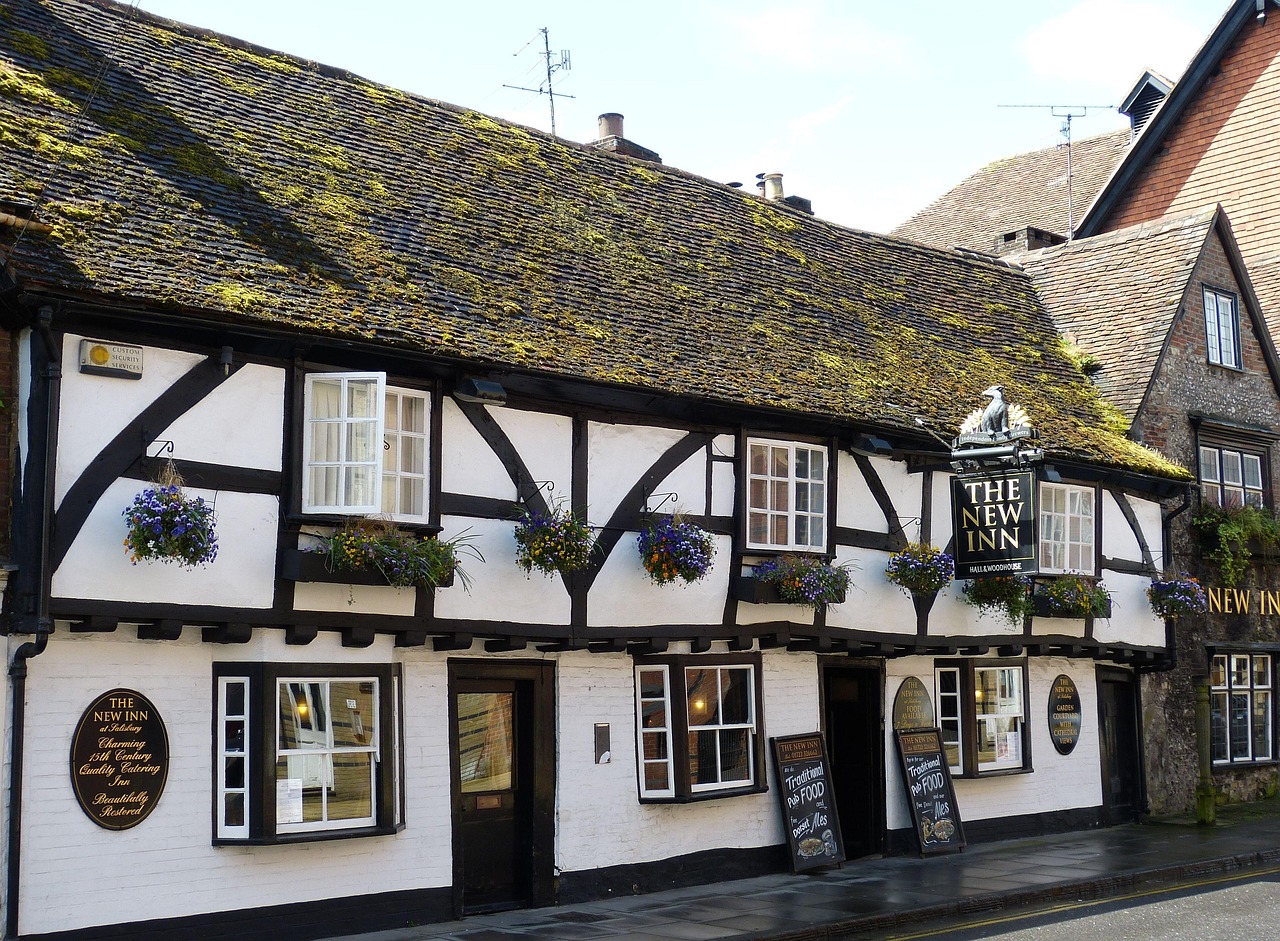
The historic pub has long been celebrated as part of Britain’s cultural heritage, but the conversation has shifted. The most interesting developments during 2025 have not centred on architecture and fixtures and fittings; the real movement has revolved around interpretation. Instead of trading on atmosphere alone, a growing number of pubs are beginning to curate their own story, treating the building not as a reminder of a past age but as a living record of community.
This comes at a time when the heritage sector is paying close attention to how value is demonstrated and evidence rather than assumed.
Historic England has explicitly acknowledged that pubs are more than just buildings: they are social hubs, markers of identity and anchors in community place-making. Their research emphasises that historic pubs risk being lost not only through physical change, but through erasure of the stories that give them meaning. Meanwhile, recent funding announcements confirm that historic pubs are being recognised as heritage assets requiring active investment with the Government declaring in April that “shops, pubs, parks and town halls at risk of falling into disrepair will be protected with £15 million grant scheme now open for applications”.
What does storytelling look like in practice? It is less about pictorial timelines or architectural descriptions, and more about weaving the social history and life of the building into its present identity. Storytelling also strengthens a pub’s claim to cultural value. When a venue can demonstrate living heritage – not just “here is a 100-year-old building” but “here are the community, the rituals and the future” – it becomes harder for decision-makers to categorise it as simply redundant or purely commercial. The listing in September 2025 of The Cleveland Bay, described as “the world’s first purpose-built railway pub”, shows how significance can be demonstrated through narrative layers (e.g. the railway connection, local identity and original function) rather than just aesthetics.
If we look closer, we can see three narrative strands emerging: firstly the life of the building (who used it, how it changed, how it anchored the community); secondly the interpretive layer (how these stories are surfaced – plaques, digital content, themed rooms, guided walks); and thirdly the ongoing use (how the pub remains active, relevant and visible to local people and visitors). This gives new depth: the pub is not simply old, it is meaningful.
What this means for conservation is that the value of a pub is increasingly judged not just on what remains unchanged, but on how what remains is put to work as a story in the present. A building that can articulate its past and its place in community memory is in a far stronger position when facing development pressures or change of use. For operators, the visitor-oriented angle becomes more viable: storytelling becomes a way of drawing in audiences who seek experience, not simply food and drink. In a recent survey, two-thirds of people named a hospitality venue as a local business with significant personal value, and pubs ranked top among those venues. The historic pub is no longer just an atmospheric stop-gap between generations. It is a narrative asset. By actively telling its story – of place, of people, of change – a pub becomes more than just what it was. It becomes what a community makes of it today. The challenge for historians and conservationists is to support this living story-making, giving pubs the tools to tell it well and to be heard.
Sources
The Public House in England
England’s Historic Pubs
https://historicengland.org.uk/whats-new/features/engands-historic-pubs
Local heritage to be protected with £20 million of funding (02-Apr-25)
https://www.gov.uk/government/news/local-heritage-to-be-protected-with-20-million-of-funding
World’s first purpose-built railway pub gets listed status (25-Sep-25)
The importance of the local: ‘so much more than something to drink’ (15-Oct-25)
11 licensed premises closures a week ‘shows very difficult trading environment’ (21-Oct-25)